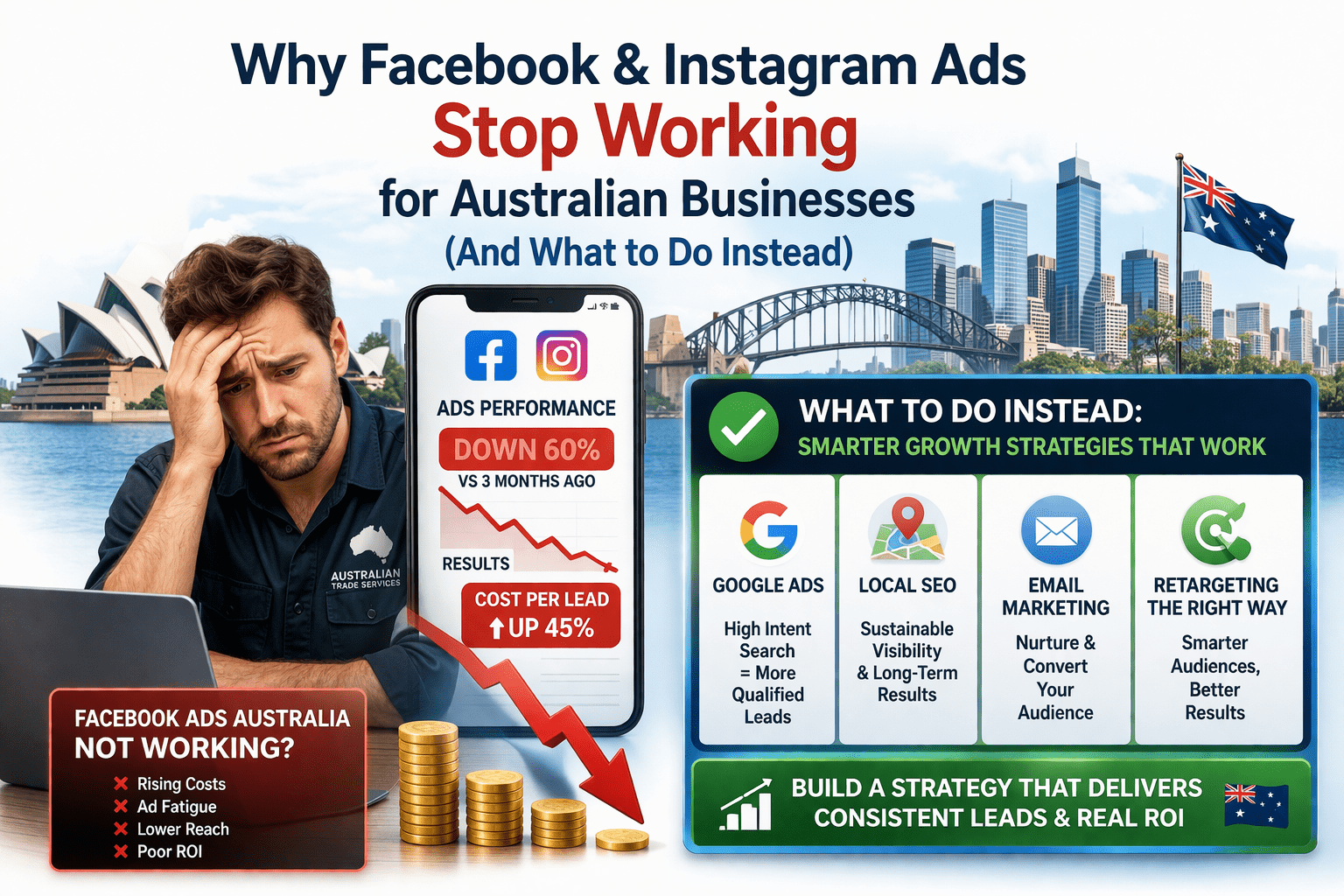
Market Competition and Economic Factors
If you’ve ever run ads targeting Switzerland, you’ve probably had that moment of shock when you saw the cost-per-click. It’s not uncommon for CPCs in Switzerland to be among the highest in Europe—and honestly, there’s a good reason for that. Switzerland has a strong economy, high disposable income, and a business environment where companies are willing to pay top franc for visibility. That naturally drives up competition in paid advertising platforms like Google Ads and Meta.
Think about it this way: when every advertiser in the room knows their audience has money to spend, nobody wants to back down. Industries like finance, insurance, SaaS, healthcare, and legal services are especially aggressive. In some niches, CPCs can easily exceed $10–$20 per click. That’s not a bug—it’s the market working exactly as expected.
But here’s the thing most people miss: high CPC doesn’t automatically mean poor performance. It only becomes a problem when your conversions don’t justify the cost. So instead of trying to “fight” high CPCs, the smarter move is to work with them. That means tightening your targeting, improving relevance, and making every click count.
Another factor that often gets overlooked is language fragmentation. Switzerland has four official languages—German, French, Italian, and Romansh. This means your campaigns are often split across multiple linguistic audiences, increasing complexity and sometimes cost. Advertisers who fail to localize properly end up wasting budget on mismatched messaging.
So yes, Switzerland is expensive—but it’s also incredibly profitable if you play the game right.
Audience Purchasing Power and Intent
One of the biggest advantages of running campaigns in Switzerland is the quality of the audience. People here aren’t just browsing—they’re often ready to buy. High CPC markets tend to come with high intent, and Switzerland is a textbook example of that.
Users in Switzerland typically have strong purchasing power, which means they’re less price-sensitive compared to many other markets. But don’t mistake that for carelessness—they still expect value, clarity, and trust before they convert. If your ad or landing page feels even slightly off, they’ll bounce without hesitation.
This is where intent becomes crucial. Instead of chasing volume, you should focus on precision targeting. A smaller number of highly qualified clicks will outperform a flood of cheap, irrelevant traffic every single time. It’s like fishing with a spear instead of a net—you’re not catching everything, but what you do catch is exactly what you need.
Another interesting detail is how Swiss users research before making decisions. They tend to compare options, read reviews, and evaluate credibility. That means your campaign shouldn’t just sell—it should build confidence. Ads that include proof points, guarantees, or clear value propositions tend to perform significantly better.
So when you’re optimizing for Switzerland, stop thinking in terms of “cheap clicks” and start thinking in terms of valuable clicks. That mindset shift alone can completely change how you approach high CPC campaigns.
Setting the Right Campaign Foundation
Choosing the Right Platforms
Not every platform performs the same in Switzerland, and choosing the wrong one can drain your budget fast. Google Ads is usually the dominant player, especially for high-intent searches. If someone is actively searching for a service or product, that’s where you want to be—right at the top of the results.
That said, Meta Ads (Facebook and Instagram) can still be effective, particularly for retargeting and brand awareness. LinkedIn Ads are also worth considering if you’re targeting professionals or B2B audiences, though CPCs there can be even higher than Google.
The key is not to spread yourself too thin. Instead of trying to dominate every platform at once, focus on one or two where your audience is most active. Master those channels first, then expand.
Also, consider local platforms and directories. Switzerland has niche ecosystems where smaller platforms can sometimes outperform global giants in terms of cost efficiency and relevance.
Defining Clear Conversion Goals
Running high CPC campaigns without clear goals is like driving a sports car without a destination—you’ll burn fuel fast and get nowhere meaningful. Before you even launch a campaign, you need to define what success looks like.
Are you aiming for leads? Sales? App installs? Bookings? Each goal requires a different strategy, and mixing them up can destroy your performance. For example, optimizing for clicks when you actually need conversions is a common mistake that leads to high costs and low returns.
Make sure your tracking is set up properly. Use tools like Google Tag Manager and conversion tracking to monitor exactly what users are doing after they click your ad. Without this data, you’re basically guessing—and in a high CPC market, guessing is expensive.
Clear goals also help you make smarter optimization decisions. When you know what matters, you can cut what doesn’t work faster and double down on what does.
Keyword Strategy for High CPC Markets
Long-Tail vs Short-Tail Keywords
Here’s a hard truth: if you’re only targeting broad, high-volume keywords in Switzerland, you’re probably overpaying. Short-tail keywords are expensive because everyone wants them. They bring traffic, but not always the right kind.
Long-tail keywords, on the other hand, are where the real magic happens. These are more specific phrases that reflect clear intent—things like “best accounting software for small businesses Zurich” instead of just “accounting software.” They usually have lower CPCs and higher conversion rates.
It’s not about abandoning short-tail keywords entirely. Instead, you balance your strategy. Use short-tail for visibility and long-tail for efficiency. Over time, you’ll likely find that long-tail keywords deliver better ROI, even if the traffic volume is smaller.
Using Negative Keywords Effectively
Negative keywords are one of the most underrated tools in campaign optimization. They help you avoid irrelevant clicks, which is crucial when every click costs a premium.
For example, if you’re selling premium services, you might want to exclude terms like “cheap,” “free,” or “discount.” These users are unlikely to convert and will only drain your budget.
Regularly reviewing your search terms report is essential. It shows you exactly what users typed before clicking your ad. From there, you can identify patterns and add negative keywords to refine your targeting.
Over time, this process can significantly reduce wasted spend and improve your overall campaign efficiency.
Ad Copy That Actually Converts
Writing for Swiss Audiences
When you’re paying premium prices per click, your ad copy can’t afford to be average. In Switzerland, users are particularly attentive to clarity, credibility, and tone. Flashy or exaggerated claims tend to backfire. Instead, what works is precision and honesty—ads that say exactly what the user will get and why it matters.
Think about how you personally react to ads. If something feels vague or overhyped, you scroll past it. Swiss audiences behave the same way, but with even higher expectations. They appreciate straightforward messaging that respects their time. That means your headlines should be sharp, your descriptions meaningful, and your call-to-action (CTA) direct.
For example, instead of saying “Best Services Ever,” say something like “Certified Financial Advisors in Zurich – Book a Free Consultation.” See the difference? One is generic, the other is specific and actionable.
Another key factor is trust language. Words like “certified,” “licensed,” “Swiss-based,” or “since 2010” can subtly increase credibility. You’re not just selling a product—you’re reassuring the user that they’re making a safe choice.
And don’t underestimate emotional triggers, even in a logical market. While Swiss consumers are rational, they still respond to benefits like saving time, reducing stress, or improving quality of life. The trick is to present these benefits in a grounded, believable way.
Localization and Language Strategy
Switzerland’s multilingual nature is both an opportunity and a challenge. If you run the same ad in English across all regions, you’re leaving money on the table. Localization isn’t just about translation—it’s about cultural alignment.
German-speaking regions (which make up the majority) often respond well to structured, detail-oriented messaging. French-speaking audiences may prefer a slightly more expressive tone, while Italian-speaking users might engage more with warmth and relatability. These nuances matter more than most advertisers realize.
You don’t necessarily need completely different campaigns for each language, but you should at least tailor your core messaging. Even small adjustments—like using region-specific phrases or addressing local pain points—can improve performance significantly.
Also, consider the user journey. If your ad is in German but your landing page is in English, that disconnect can hurt conversions. Consistency builds trust, and trust drives results.
Smart Bidding Strategies
Manual vs Automated Bidding
Choosing the right bidding strategy in a high CPC market can feel like walking a tightrope. Go too aggressive, and you overspend. Go too conservative, and you lose visibility. So what’s the right approach?
Manual bidding gives you control, which can be useful when you’re just starting out or testing new campaigns. You can set exact bids, monitor performance closely, and adjust based on real data. It’s like driving a manual car—you’re in charge, but it requires constant attention.
Automated bidding, on the other hand, uses machine learning to optimize for conversions or value. In a market like Switzerland, where data quality is often high, automated strategies like Target CPA (Cost Per Acquisition) or Target ROAS (Return on Ad Spend) can perform exceptionally well.
The catch? You need enough data for the system to learn effectively. If your campaign is too small or new, automation might struggle at first. A hybrid approach often works best—start with manual, gather data, then transition to automated once you have a solid baseline.
Leveraging AI and Smart Bidding Tools
AI-driven bidding tools have come a long way, and ignoring them in 2026 is like ignoring GPS when you’re driving in a new city. Platforms like Google Ads now use advanced algorithms to predict user behavior and adjust bids in real time.
This is especially valuable in Switzerland, where user intent can vary widely depending on region, language, and device. AI can process these variables faster than any human ever could.
That said, automation isn’t magic. You still need to guide it. Setting the right goals, feeding it clean data, and monitoring performance regularly are all essential. Think of AI as a co-pilot—it helps, but you’re still responsible for the direction.
Landing Page Optimization
Speed, UX, and Mobile Optimization
You can have the best ad in the world, but if your landing page doesn’t deliver, your money is gone. In high CPC environments, landing page optimization isn’t optional—it’s critical.
First, let’s talk about speed. Swiss users expect fast-loading pages, and even a delay of a few seconds can increase bounce rates dramatically. Studies show that a 1-second delay can reduce conversions by up to 7%. That’s huge when every click is expensive.
User experience (UX) is just as important. Your page should be clean, easy to navigate, and focused on a single goal. Avoid clutter. Make it obvious what the user should do next, whether that’s filling out a form, making a purchase, or booking a call.
Mobile optimization is another non-negotiable. A significant portion of traffic comes from mobile devices, and if your site isn’t optimized for smaller screens, you’re losing potential customers.
Trust Signals and Conversion Elements
In Switzerland, trust isn’t given—it’s earned. Your landing page needs to reinforce credibility at every step. This includes elements like customer reviews, testimonials, certifications, and secure payment badges.
Even small details can make a difference. A professional design, clear contact information, and transparent pricing all contribute to a sense of reliability.
Calls-to-action should be visible and compelling. Instead of generic phrases like “Submit,” use something more engaging like “Get Your Free Quote Today.” It’s a subtle shift, but it can improve conversion rates.
Advanced Optimization Techniques
Audience Segmentation
Not all clicks are created equal, and treating your audience as one big group is a costly mistake. Segmentation allows you to tailor your campaigns to different user types, increasing relevance and efficiency.
You can segment by location, language, device, behavior, or even past interactions with your brand. For example, someone who has already visited your website is much more likely to convert than a first-time visitor. That’s where retargeting comes in.
By creating specific campaigns for different segments, you can adjust your messaging, bids, and offers accordingly. This level of personalization can significantly improve performance in high CPC markets.
A/B Testing at Scale
Optimization without testing is just guesswork. A/B testing allows you to compare different versions of your ads, landing pages, or even bidding strategies to see what works best.
Test one variable at a time—headline, CTA, image, or layout. This way, you can clearly identify what’s driving results. Over time, these incremental improvements add up.
In a market like Switzerland, even small gains can have a big impact because of the high cost per click. Increasing your conversion rate by just a few percentage points can dramatically improve your ROI.
Budget Allocation and ROI Tracking
Scaling What Works
Once you find a winning combination—whether it’s a keyword, ad, or audience segment—the next step is scaling. But scaling doesn’t mean doubling your budget overnight. That’s a fast way to lose control.
Instead, increase your budget gradually while monitoring performance. Keep an eye on key metrics like conversion rate and cost per acquisition. If those stay stable, you’re on the right track.
Also, don’t be afraid to cut underperforming campaigns. It might feel uncomfortable, but reallocating budget to what works is one of the fastest ways to improve results.
Tracking Metrics That Matter
In high CPC campaigns, not all metrics are equally important. Clicks and impressions are nice, but they don’t pay the bills. What really matters is ROI.
Focus on metrics like:
- Conversion rate
- Cost per acquisition (CPA)
- Return on ad spend (ROAS)
These tell you whether your campaigns are actually profitable. Tools like Google Analytics and CRM integrations can help you track the full customer journey, from click to conversion.
Conclusion
Optimizing high CPC campaigns in Switzerland isn’t about cutting costs—it’s about maximizing value. Every click is an investment, and your goal is to make that investment pay off. By focusing on precise targeting, strong messaging, and continuous optimization, you can turn a high-cost market into a highly profitable one.
The advertisers who succeed here aren’t the ones who spend the most—they’re the ones who spend the smartest. If you approach your campaigns with that mindset, Switzerland becomes less of a challenge and more of an opportunity.